

Dry eye and ocular surface trials: site capability

Dry eye and meibomian gland dysfunction (MGD) trials are difficult because signs and symptoms correlate poorly and both drift with the season, the room and the time of day. A site that cannot control its measurement conditions produces noise. This page sets out how the New Zealand Eye Research Centre (NZERC) in Hamilton is set up for ocular surface studies.
Endpoints we measure
- Tear film stability — tear break-up time (TBUT) and non-invasive break-up time (NIBUT).
- Tear osmolarity.
- Meibography for gland structure and dropout.
- Corneal and conjunctival staining with fluorescein imaging and slit lamp anterior imaging, captured rather than only graded from memory.
- Symptom instruments such as OSDI and SPEED, administered in a fixed order before clinical tests so the tests do not influence the answers.
- Corneal endothelial cell counts on Tomey EM-4000 specular microscopy, where a safety endpoint requires them.
Comparator devices already on site
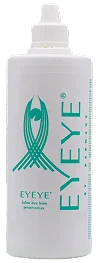
A dry eye study usually needs a credible active control, not just a sham. NZERC has intense pulsed light (E-Eye), LipiFlow vectored thermal pulsation, low level light therapy and Blephasteam in routine use. That makes head-to-head and add-on designs practical without the sponsor shipping and validating a comparator.
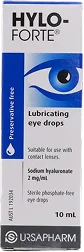
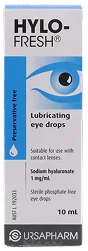
We have published evidence reviews of the main device modalities, which set out what we think each one has and has not proven: device-based treatment of MGD, LipiFlow, IPL, Tixel and Rexon-Eye. Our tear supplement formulary maps drop chemistry to DEWS III subtypes.
Prior industry experience
NZERC's founder was a co-author on a randomised trial of a novel keratolytic for meibomian gland dysfunction (Journal of Ophthalmology, 2021) alongside investigators including Jennifer Craig and Fiona Stapleton, and the centre has taken part in Azura Ophthalmics clinical trials of selenium disulfide. Dry eye is therefore an area where we have already worked to a commercial sponsor's protocol rather than only our own.
Measurement discipline
- Visits booked at the same time of day for each participant, because tear film measures drift through the day.
- Fixed test order, with symptom questionnaires before any drops or lid manipulation.
- Images and scans retained for masked central grading where the protocol calls for it.
- Seasonal enrolment recorded, since New Zealand humidity varies enough to matter over a twelve-month recruitment window.
Populations we can reach
Adults with evaporative and aqueous-deficient dry eye, MGD with and without prior device treatment, contact lens associated discomfort, and post-surgical ocular surface disease through surgical partners. See patient recruitment and our study population.
Next step
Email research@nzerc.com with your product, endpoints and target numbers, or use the sponsor enquiry form. See also our information for sponsors and CROs.
.svg)

