

Orthokeratology Lens Care Guide
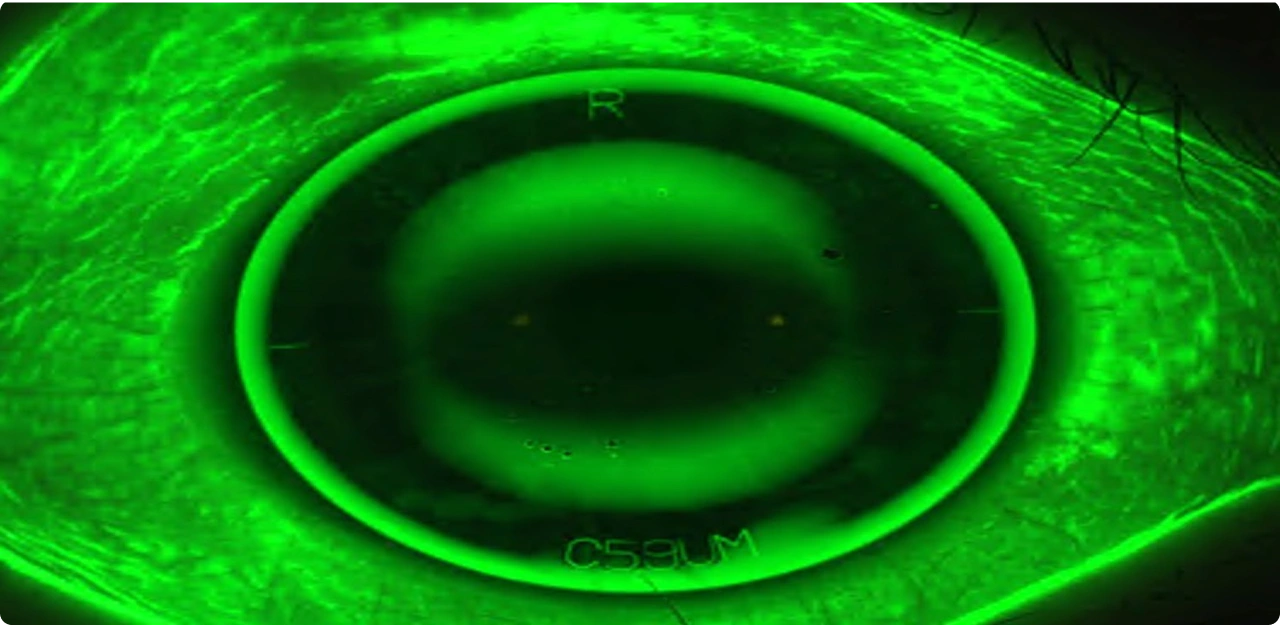
Clinical Best Practices for Safe Overnight Wear
Orthokeratology (Ortho-K) lenses are specially designed rigid gas permeable lenses worn overnight to temporarily reshape the cornea and correct refractive error.
At Rose Optometry and the New Zealand Eye Research Centre (NZERC), orthokeratology lens care protocols are developed to ensure safety, hygiene and long-term treatment success.
Due to overnight wear and direct corneal contact, Ortho-K lenses require strict and consistent cleaning and disinfection routines.
Orthokeratology Lens Care Systems
Effective Ortho-K care involves a structured multi-step process to remove deposits, eliminate microorganisms and maintain lens surface quality.
Proper hygiene is essential to minimise the risk of microbial keratitis and inflammatory complications.
Key components of orthokeratology lens care include:
- Daily cleaning immediately after lens removal
- Disinfection and overnight storage protocols
- Periodic deep cleaning for deposit control
- Use of preservative-free lubricating drops when required
Daily Cleaning Protocol
Lenses should be cleaned immediately after removal in the morning using a dedicated RGP cleaner.
This step removes tear film deposits, debris and microbial contaminants accumulated during overnight wear.
Clinical benefits include:
- Effective removal of lipids and proteins
- Reduced biofilm formation
- Maintenance of lens surface integrity
- Improved long-term comfort
Disinfection and Storage
After cleaning, lenses must be disinfected using an appropriate conditioning or peroxide-based system.
This ensures elimination of microorganisms prior to the next wear cycle.
Key characteristics include:
- High-level antimicrobial activity
- Compatibility with rigid lens materials
- Maintenance of lens hydration and wettability
- Safe overnight storage conditions
Periodic Deep Cleaning
Orthokeratology lenses may require additional protein removal treatments depending on individual tear chemistry and wearing schedule.
Regular deep cleaning helps maintain optimal optical performance and comfort.
Clinical considerations include:
- Weekly or clinician-directed cleaning frequency
- Prevention of deposit-related complications
- Improved lens longevity
Hygiene and Handling
Strict hygiene practices are critical for orthokeratology lens wear due to the increased risk associated with overnight use.
Patients must follow recommended handling protocols at all times.
Best practices include:
- Thorough hand washing before handling lenses
- Proper case hygiene and regular replacement
- Avoidance of tap water contact with lenses
- Adherence to prescribed wearing schedule
Optimising Orthokeratology Outcomes
Successful orthokeratology treatment depends on both lens performance and patient compliance with care routines.
Consistent hygiene and correct solution use significantly reduce the risk of complications and improve treatment stability.
At Rose Optometry and NZERC, orthokeratology management is supported through:
- Regular corneal topography monitoring
- Tear film and ocular surface assessment
- Customised lens fitting and adjustment
- Ongoing patient education and follow-up
Patients are advised to strictly follow clinician instructions and report any discomfort, redness or visual changes immediately.
References
- Stapleton F et al. Contact lens-related microbial keratitis. Ophthalmology. 2017.
- Cho P, Cheung SW. Orthokeratology for myopia control. Clinical and Experimental Optometry. 2012.
- Nichols JJ et al. TFOS International Workshop on Contact Lens Discomfort. Investigative Ophthalmology & Visual Science. 2013.
- Efron N. Contact Lens Practice. Elsevier. 2018.




.svg)

